
Trying to find Boiler Systems near San Gabriel?
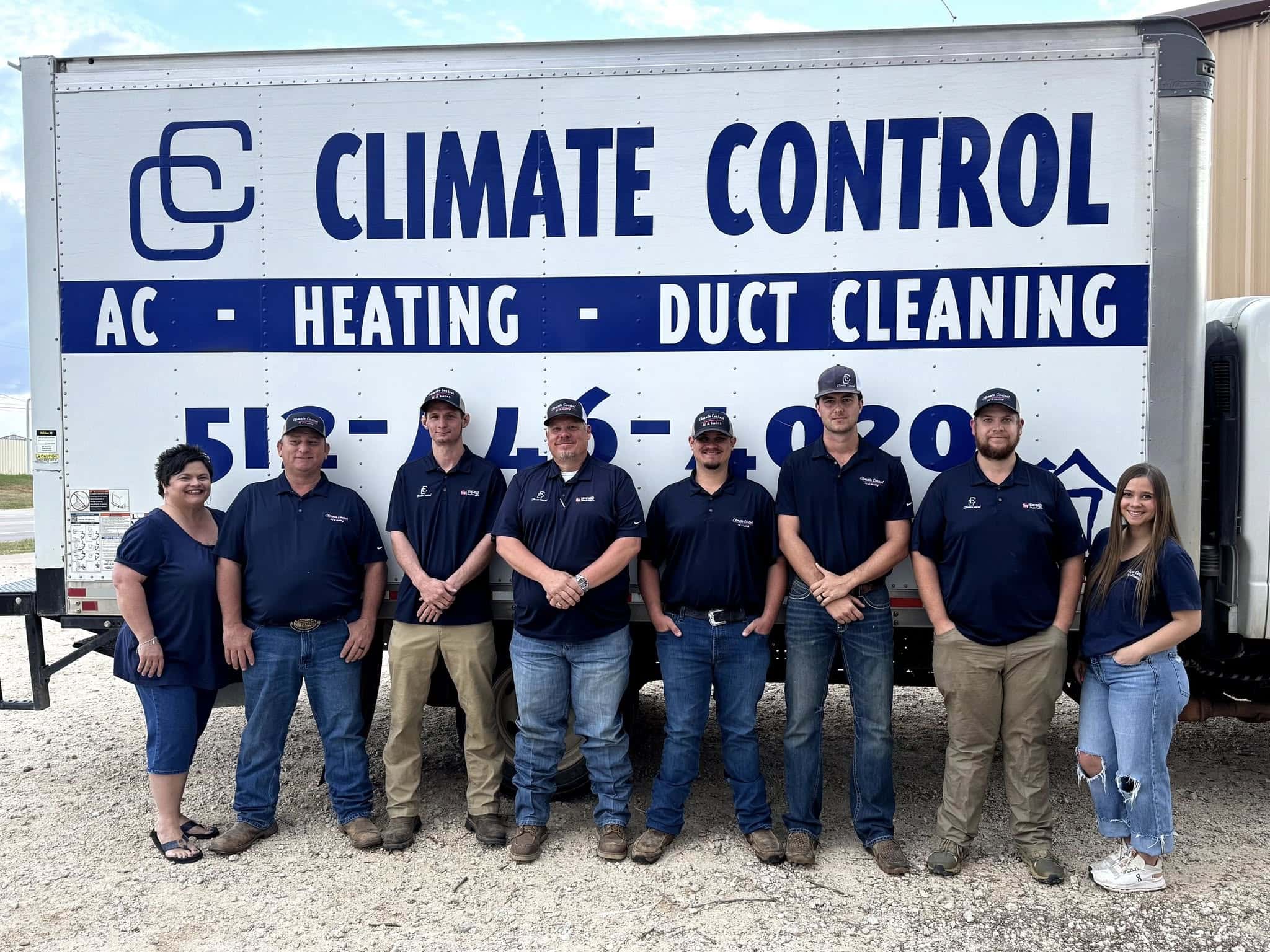
Climate Control A/C & Heating services comfort equipment of every kind in the surrounding towns.
Contact us at 512-446-4020 and ask a real question.
What Summer Asks of a System – the Setting for Every Choice
Hot weather in San Gabriel settles in for months at a time, which means a cooling unit seldom rests between spring and fall.
Moisture in the air matters as much as the thermometer reading, and the coil is where the moisture condenses and drains away.
Proper equipment size, good airflow and clean surfaces separate a comfortable house from a clammy one, long before a breakdown ever happens.
How Air Conditioning Works – Parts and Their Jobs
A central air conditioner is a heat mover, not a cold maker; warmth is absorbed in one coil and released in another.
The indoor coil is where the cooling happens, and the outdoor unit holds the compressor and condenser coil that push that heat away.
Starting and stopping thousands of times a season is hard on switches and capacitors; the compressor itself can last a long time when it is kept clean and properly charged.
Diagnosing a Weak Cooling System: Where the Fault Usually Hides
A proper air conditioning repair sorts the symptom from the cause before anything is replaced, and each of those causes needs a different fix.
If the outdoor unit is silent, power, a breaker and the low-voltage wiring are the first suspects, and they usually repair cleanly because the parts are small.
A coil that ices over points toward airflow or refrigerant; switching the system off and letting it thaw protects the equipment until it can be checked.
Refrigerant is not a consumable that needs topping off every season; topping off a leaking system is a temporary patch that lets the problem return.
Clogged condensate drains are a quiet cause of water stains and shutdowns, and the fix is usually quick once the blockage is found.
Warning Signs – What Owners Notice First
Cooling equipment usually gives notice before it fails outright; these are the signs a homeowner can see, hear or feel without any tools:
- Rooms that stay warm even though the blower sounds normal.
- Loud banging when the compressor starts, often getting louder from one week to the next.
- Constant starting and stopping through the afternoon, along with a higher electric bill.
- Water around the air handler, especially in humid weather.
Tune-Ups for Cooling Gear: What a Maintenance Visit Covers
Scheduled air conditioning maintenance gives a technician a look at the system while it still works, and the work centers on airflow, cleanliness and electrical health.
Changing the filter on schedule protects the coil, the blower and the ductwork; the label on the filter and the look of its surface are a reliable guide.
Coils, drain pans and drain lines all get attention during a complete tune-up, and reading the numbers shows whether anything is drifting out of range.
Repair or Replace: Weighing the Options Honestly
The conversation about replacement starts when age, condition and comfort all point the same way, and a good evaluation lays out repair and replacement side by side.
Older equipment may use a refrigerant that has been phased out of new production, and newer equipment is built for current refrigerants.
Today's units move the same heat with less power than equipment from a generation ago; the benefit grows in houses that rely on cooling much of the year.
Getting an Install Right – Bigger Is Not Better
AC install work succeeds or fails on sizing and airflow before any equipment is delivered, and two houses of the same size can need very different equipment.
A unit that is too large satisfies the thermostat fast and leaves the humidity behind; the right size runs long, steady cycles that dry the air.
Matched components perform to their design efficiency, while mismatched ones fall short; the owner then gets a walk-through of the thermostat and the filter.
Air Distribution: the Lungs of the House
Good duct work delivers the right amount of air to each room and brings it back again, and a unit can be fine while the ducts hold the whole system back.
Leaks at joints pull attic air into the system and push cooled air out into the rafters, and sealing with mastic rather than cloth tape holds up better in the heat.
Dust, Debris and Ductwork – Reasons and Limits
Air passages collect dust, and duct cleaning is the way to clear it from the inside; cleaning is not a substitute for fixing leaks or changing filters.
Filtering, sealing and cleaning form one plan, not three separate jobs, and claims about health benefits should be treated skeptically.
The Two-Way Heat Mover: a Natural Fit for Mild Winters
Instead of burning fuel, heat pumps pull warmth from outdoor air and carry it inside; one outdoor unit does the work of two.
Auxiliary heat strips back up the heat pump on the coldest mornings, but a heat pump that always needs the backup may have a fault.
Fuel-Fired Warmth: Reliable Heat for Cold Fronts
Gas furnaces rely on an igniter, a flame sensor and a gas valve working in sequence; the flue and combustion air must be clear for safe operation.
The annual furnace check is also a safety check on combustion and exhaust, and a detector near the sleeping areas gives early warning.
Heating With Electricity: What to Expect From It
Electric heating systems warm the air with heating elements instead of a flame; the electrical safety devices do the most important work.
Resistance heat converts every unit of power to heat, while a heat pump moves several units for each one consumed, and a technician can explain how each option behaves in a mild climate.
Heating Services: What to Do Before the First Freeze
A norther can send temperatures tumbling, and heating systems that sat idle all summer must start right up; heating systems are better checked before they are needed.
From gas furnaces to heat pumps, each heating system needs different attention before winter, and the safety controls get tested along with the comfort ones.
Hydronic Warmth: Less Common, Still Important
Boiler systems heat water or make steam and send it through pipes to radiators, baseboards or in-floor loops, and they are less common in Texas than furnaces and heat pumps.
Pressure, temperature and flame quality are the numbers that matter in a boiler check; neglected boilers corrode inside, so water quality and venting matter.
What You Breathe at Home: Beyond Temperature and Humidity
Indoor air quality describes what is floating in the air inside a building, from dust and pollen to odors and humidity, which makes the HVAC system the natural place to improve air quality.
MERV numbers describe how fine a filter catches, and the right one balances capture with airflow, and sealing return leaks keeps unfiltered air from sneaking around the filter.
Offices, shops and restaurants need steady fresh air so that crowds do not make the space stuffy; scheduled filter changes and coil cleaning keep these systems honest.
Cleaning the Air Itself: Matching the Tool to the Problem
Purifiers vary widely, from simple filters to units combining filtration, carbon and other methods; any claims about performance should be checked against the specification.
A purifier works alongside good ventilation and a clean system, not in place of them, and sizing matters here as much as anywhere.
UV Lights and Antimicrobial Mist – Tools for a Damp Climate
UV lights install in the air handler and shine on the indoor coil and drain pan to limit microbial growth; bulbs lose strength over time and need changing.
Fogging a space with antimicrobial mist is a surface treatment, not a cure for a moisture problem, and it works best where the source of moisture has been dealt with.
Letting a Building Breathe: Why Tight Buildings Need It
Modern buildings are tight, so ventilating on purpose keeps carbon dioxide and odors from building up; the cooling equipment has to be sized to handle the fresh air coming in.
Attic ventilation is a separate matter, but it affects how hard the cooling system works; improvements can start with simple, low-effort fixes.
Commercial AC Systems: Uptime Matters
A commercial AC system is often a rooftop package unit that holds the compressor, the coils and the blower in one cabinet, which is why many businesses plan service around their schedule.
Rooftop units sit in the sun and wind, so the cabinets, the coils and the curbs take a beating; a clear plan helps the business stay open.
Chilled Water Cooling – Water Carries the Cold
A chiller is a large refrigeration machine that chills water for use in many spaces, and they need specialized service knowledge.
Commercial Refrigeration: Walk-Ins, Reach-Ins and More
Refrigeration service covers walk-in coolers, reach-in units, freezers, display cases and ice machines, and food safety rules set limits that equipment must keep.
How Climate Control A/C & Heating Goes About Boiler Systems in San Gabriel
Before touching a tool, the technician hears the history of the problem from the person who lives with it, then examines the equipment and measures what can be measured.
Honest advice separates the necessary from the optional, and the work proceeds only when the owner agrees.
Start With a Conversation
Contact us at 512-446-4020 to set up a visit or talk through your options.
Closing Thoughts: Attention Now Saves Trouble Later
From Boiler Systems to routine upkeep, good outcomes come from understanding the equipment and caring for it, and Climate Control A/C & Heating is ready to help with it.